rEFInd is a boot manager which allows you to boot multiple operating systems from internal or external hard drives. rEFInd automatically detects EFI bootloaders and shows a graphical interface allowing the user to select which operating system they want to start.
Configure and install rEFInd¶ To set ue rEFInd, you’ll need to boot into macOS. Download rEFInd from the author’s website — you want the file named A binary zip file. Extract this archive anywhere on your system (/Downloads is fine). First, you’ll need to change the configuration file refind/refind.conf-sample. Alternatively, you can install rEFInd using the supplied shell command “ install.sh “, which installs refindx64.efi. “./install.sh ” installs rEFInd on Mac OS X’s root partition as “ /EFI/refind “. “./install.sh —esp ” installs rEFInd on EFI partition. Installing rEFInd. REFInd is easy to install; a simple Terminal command is all that's needed if you're using OS X Yosemite or earlier. OS X El Capitan and later has an additional security layer called SIP (System Integrity Protection). In a nutshell, SIP prevents ordinary users, including administrators, from changing system files, including. Download & Install rEFInd 0.10.4 Once that’s done, restart your MacBook and download rEFInd from At the time of this post, the current version was 0.10.4, but I assume that the following steps are going to be similar or identical with future versions as well.
These instructions will show you how to use the automatic rEFInd installer or to manually install rEFInd on a computer running macOS.
- Install rEFInd with the automatic installer
- Install rEFInd with the manual installer
Download the latest version of rEFInd from SourceForge.
System Integrity Protection (SIP) prevents certain folders from being modified even by the root user or by a user with root privileges. Mac OS 10.11 (El Capitan) and later have SIP turned on by default. SIP must be disabled in order to install rEFInd.
Check if System Integrity Protection is enabled:
If it returns System Integrity Protection status: enabled., follow these steps to disable SIP before installing rEFInd:
- Restart your computer.
- While your computer is restarting hold down Command-R (⌘R). This will start your computer in Recovery mode.
- After your computer restarted, click on the Utilities menu and select Terminal.
- Enter
csrutil disable. - Restart your computer normally.
- Uncompress the rEFInd zip file that you downloaded from SourceForge.
- Open Terminal and navigate into the uncompressed rEFInd folder.
- Then enter:
An automatic installer will install rEFInd into your EFI partition.
Re-enable System Integrity Protection
After you finish installing rEFInd, you should re-enable System Integrity Protection (SIP). The process of re-enabling SIP is almost identical todisabling it:
- Restart you computer.
- While it’s restarting hold down Command-R (⌘R). This will start it in Recovery mode.
- Click on the Utilities menu and select Terminal.
- Enter
csrutil enable. - Restart your computer normally.
That’s it
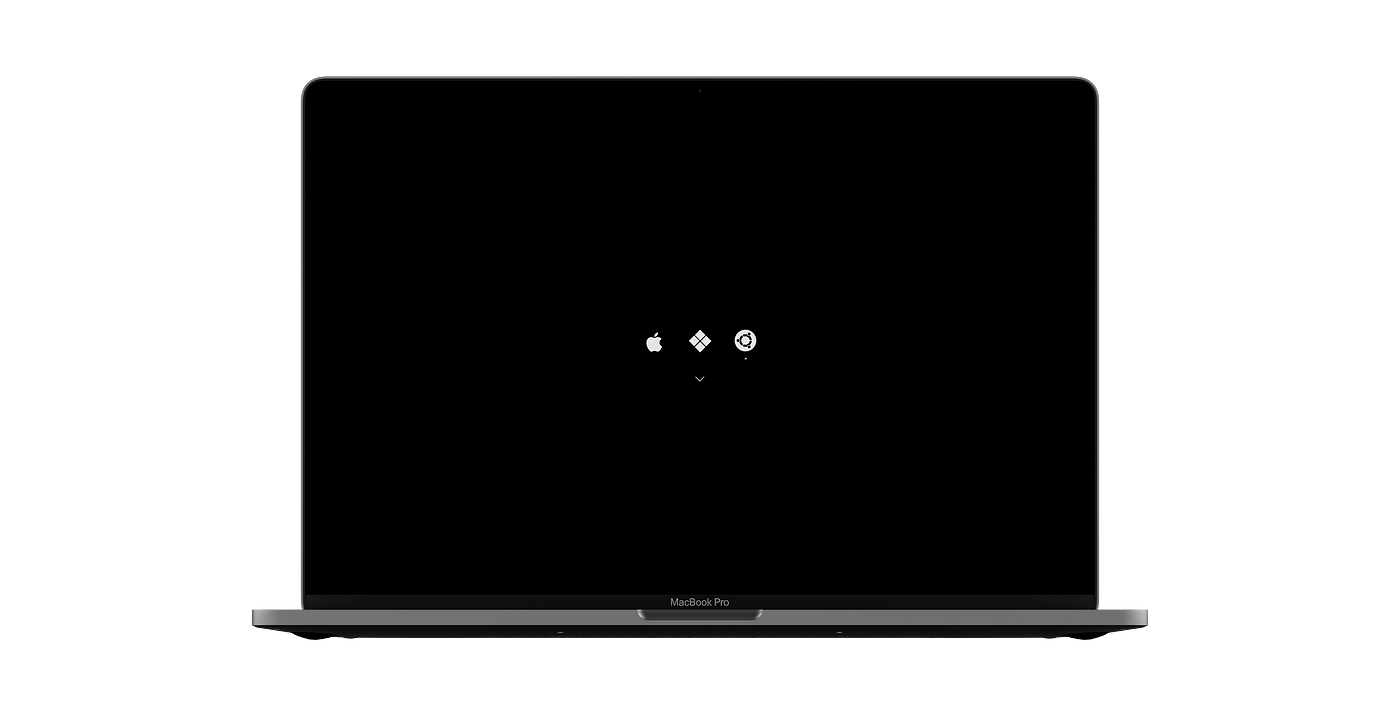
After restart, your computer will load the rEFInd boot manager automatically. You will see a screen like the one below. Use the left and right arrows to select an operating system.
These instructions will show you how to install rEFInd manually by copying specific files from the rEFInd zip file to a folder on your computer.
Identify Your System
First you need to identify if you have a 32-bit or 64-bit system.
Open Terminal and enter:
Terminal will return either EFI32 or EFI64.
Mount your EFI System Partition.
The EFI System Partition (ESP) contains files that tell your computer which operating system to load while it is starting up.
To modify your computer’s ESP, create an empty folder and then mount the ESP to that folder.
Create a folder in Terminal:
sudo mkdir Volumes/espMount the ESP to that folder:
sudo mount -t msdos /dev/disk0s1 Volumes/esp
Move the rEFInd files
Now move the files from the unzipped rEFInd folder to the ESP folder.
Create an empty folder in the ESP folder for the rEFInd files:
sudo mkdir -p /Volumes/esp/efi/refindIn Terminal, navigate into the unzipped folder you downloaded fromSourceForge and copy the rEFInd files to the new rEFInd folder you justcreated:
sudo cp -r refind/* /Volumes/esp/efi/refind/
Remove Unnecessary rEFInd Files
There are several versions of rEFInd that were copied from the unzipped folder to the ESP folder, but you only need the one version that will work with your computer.
This step will show you how to remove the unnecessary versions of rEFInd from/Volumes/esp/efi/refind/.
Apple computers don’t use an ARM CPU, so you can delete this file:
- refind_aa64.efi
If you have a 64-bit computer, remove this file:
Install Refind Mac
- refind_ia32.efi
If you have a 32-bit computer, remove this file:
- refind_x64.efi
Rename rEFInd Config File
If this is your first installation of rEFInd, rename the refind.conf-sample file to refind.conf:
Bless rEFInd
The bless command makes a volume bootable. To bless this installation of rEFInd, enter:
Unmount the rEFInd directory
You can restart your computer now and it will automatically unmount the ESP and run rEFInd after it restarts. If you want to unmount the ESP folder before you restart your computer, enter the following command:
or
Re-enable System Integrity Protection
If you disabled System Integrity Protection (SIP), you should re-enable itafter you’ve finished installing rEFInd. Re-enabling System IntegrityProtection is almost identical to disabling it:
- Restart your computer.
- While it’s restarting hold down Command-R (⌘R). This will start your computer in Recovery mode.
- Click on the Utilities menu and select Terminal.
- Enter
csrutil enable. - Restart your computer normally.
That’s it
Install Refind Macos Catalina
After restarting, your computer will load the rEFInd boot manager automatically. You will see a screen like the one below. Use the left and right arrows to select an operating system.